
Sheet metal panel bending is one of the most advanced solutions for producing complex bends in an automated and highly repeatable way. Thanks to the use of CNC panel bending machines, we can shape sheet metal into three-dimensional forms with variable radii, continuous bends, and geometries that are impossible to achieve using traditional techniques.
It is the ideal choice for medium-to-large production runs where aesthetic quality, repeatability, and production speed are key factors.
What Sheet Metal Panel
Bending is and what it is used for
What Sheet Metal Panel Bending is and what it is used for
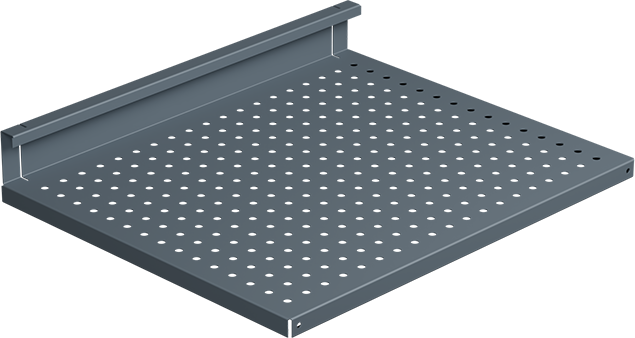
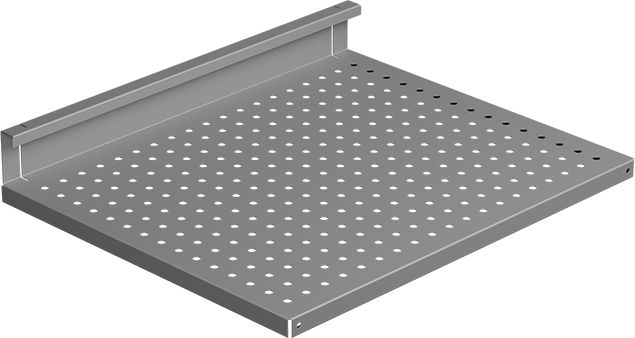
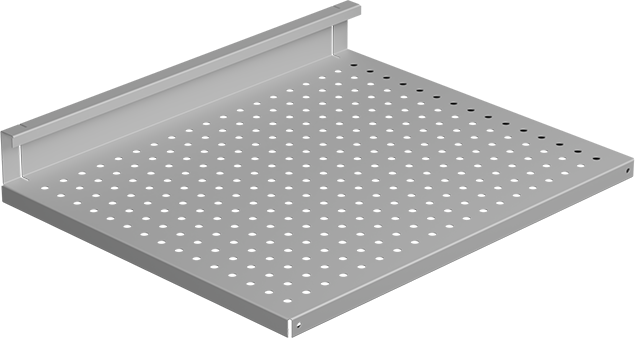
This technology enables you to:
• reduce cycle times,
• automate the entire bending process,
• produce complex bends on all sides of the workpiece in a single setup.
It is widely used in the production of metal panels for technical furnishings, machinery enclosures, HVAC systems, and components for vending machines and industrial electronics.

How the sheet metal Panel Bending process works
Operating stages
Automatic sheet metal loading via integrated loading system
Workpiece clamping using vacuum or mechanical system
Bending sequence performed by a rotating blade (no repositioning of the workpiece)
Automatic unloading and in-line quality control
Why it is advantageous

Zero positioning errors
Reduced manual handling and therefore lower risks
High productivity even for small to medium batch sizes
Consistent aesthetic quality (ideal for visible applications)
Materials and Processable Formats
We process sheet metal in:
• steel,
• stainless steel,
• aluminium.
Standard thicknesses range from 0.5 mm to 2 mm, but we also evaluate custom formats depending on the project.
Advantages of sheet metal Panel Bending with IMT
Complex bends performed automatically
Bending length up to 1700 mm
Bending height up to 127 mm
Perfect repeatability on every workpiece
Reduced setup times
Seamless integration with other production stages
Our machinery for
sheet metal Panel Bending
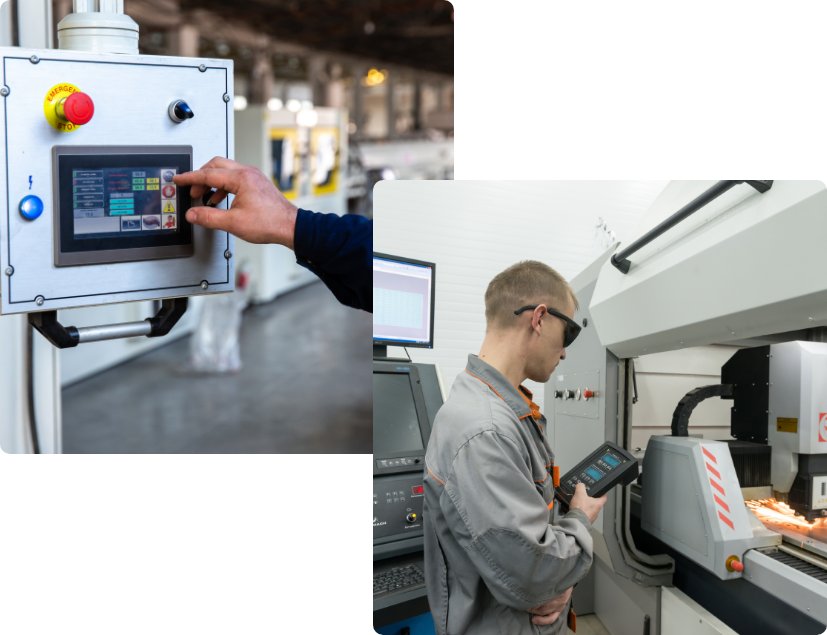
We use Salvagnini automated panel benders, capable of performing complex bends with maximum precision and repeatability.
These machines can process sheet metal up to 2 metres in length, ensuring efficient and flexible solutions for every industrial panel bending requirement.
Our products

FAQ- Frequently Asked Questions
Sheet metal panel bending is a high-precision automated bending process that uses CNC (computer numerical control) machines called panel benders. This technology enables complex, three-dimensional bends on all sides of the workpiece without the need for repositioning or additional tooling.
It is particularly suited for medium to large production runs, where high aesthetic standards, repeatability, and fast cycle times are required. The sheet metal is formed through controlled movements, achieving geometries that are difficult to obtain with traditional bending methods.
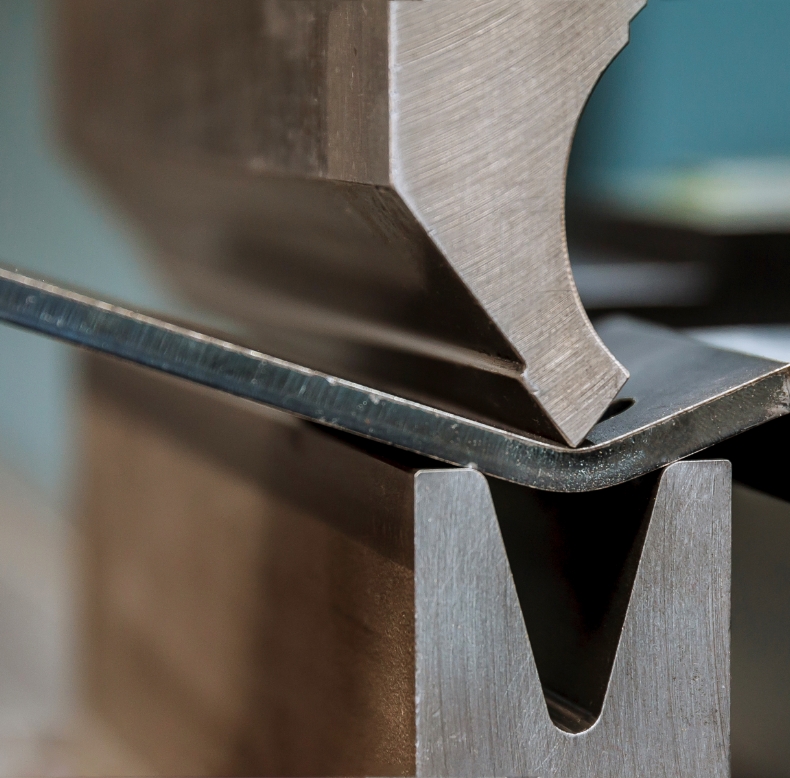
The main difference between traditional bending and panel bending lies in the level of automation and the complexity of the achievable geometries:
• In traditional bending, sheet metal is processed using press brakes, often requiring multiple steps and an operator for each bend.
• In panel bending, the entire process is automated. CNC panel benders bend the sheet metal on multiple sides with a single setup, without the need for external supports or frequent tool changes.
Panel bending is ideal for repetitive, precise, and complex production runs, while traditional bending is better suited for small batches or less complex geometries.
IMT processes various sheet metal types, including carbon steel, stainless steel, aluminium, and other light metals. Thanks to our advanced equipment, we can handle materials in various sizes and thicknesses, ensuring precision and quality in every project.
Yes, IMT offers a dedicated service for sheet metal prototyping, ideal for testing new products or solutions before moving into mass production. Our technical team supports the customer at every stage, from design to manufacturing, ensuring precision and quality in line with the required specifications.
If you have an idea or a project to develop, you can send us a request to assess technical feasibility and receive a personalised quote. We are ready to support you in the production of one-off parts or small batch runs.
In addition to panel bending, IMT provides laser cutting, bending, welding, and powder coating services, delivering a complete, ready-to-use product.
Let’s talk about your next project
Put your trust in those with in-depth knowledge of sheet metal panel bending. Our production department is ready to evaluate your component specifications and provide you with a comprehensive technical analysis, with defined timescales and costs. Fill in the form to receive a personalised technical consultation within 48 hours.