
Sheet metal stamping and blanking:what are they?
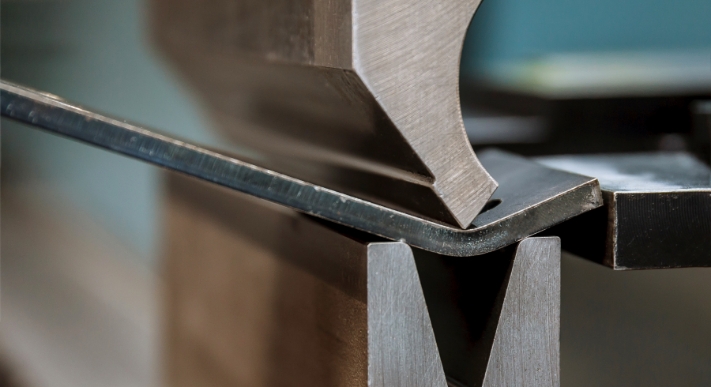
span class="cap text-blue titolo">Stamping(a mechanical process that transforms a flat sheet of metal into a three-dimensional component), combined with blanking, enables us to produce large volumes of components with precise geometries, consistent tolerances and low unit costs.
We process coils or pre-cut sheets of steel, stainless steel, aluminium and other metals, transforming them into semi-finished products ready for the subsequent stages of bending, welding or assembly.

How the process
works and why it’s worthwhile
Operational stages
Collaboration on the design of the die
Stamping using a press with CNC feeders.
Blanking on eccentric or hydraulic presses up to 400 tonnes
Burr removal and in-line quality control
Key benefits

Absolute repeatability for medium to large batches
Production speed of up to 120 strokes per minute
Reduced scrap thanks to cutting step optimisation
Competitive unit costs compared to single-cut techniques
Processable materials:
• Carbon steel
• Stainless steel (AISI 304, 316, etc.)
• Aluminium and light alloys
• Galvanised sheet metal
Processable thicknesses:
• Carbon steel: 0.5 mm to 6 mm
• Stainless steel: 0.5 mm to 4 mm
• Aluminium: 0.5 mm to 5 mm
Processable formats:
• Sheets up to approx. 1500x3000 mm (varies depending on the machine)
• Coil strips for automated processing
Our products
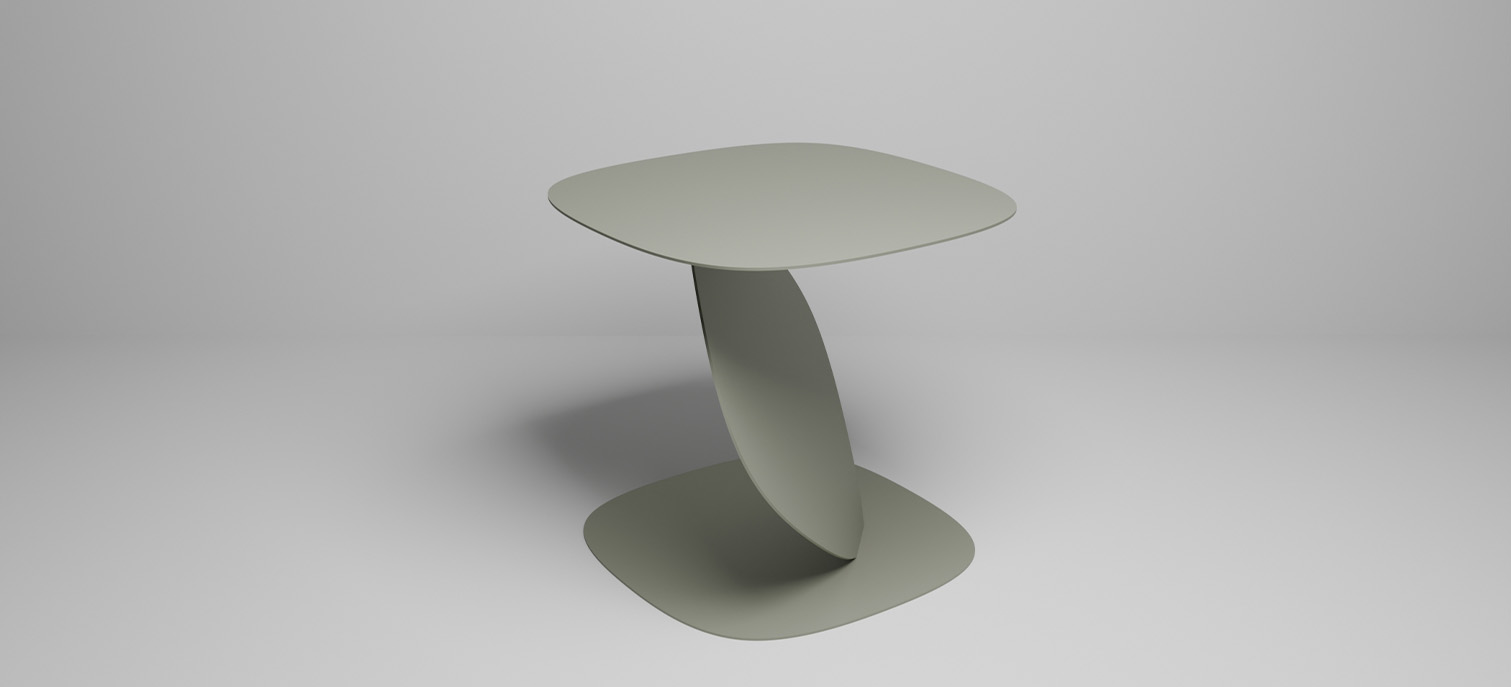
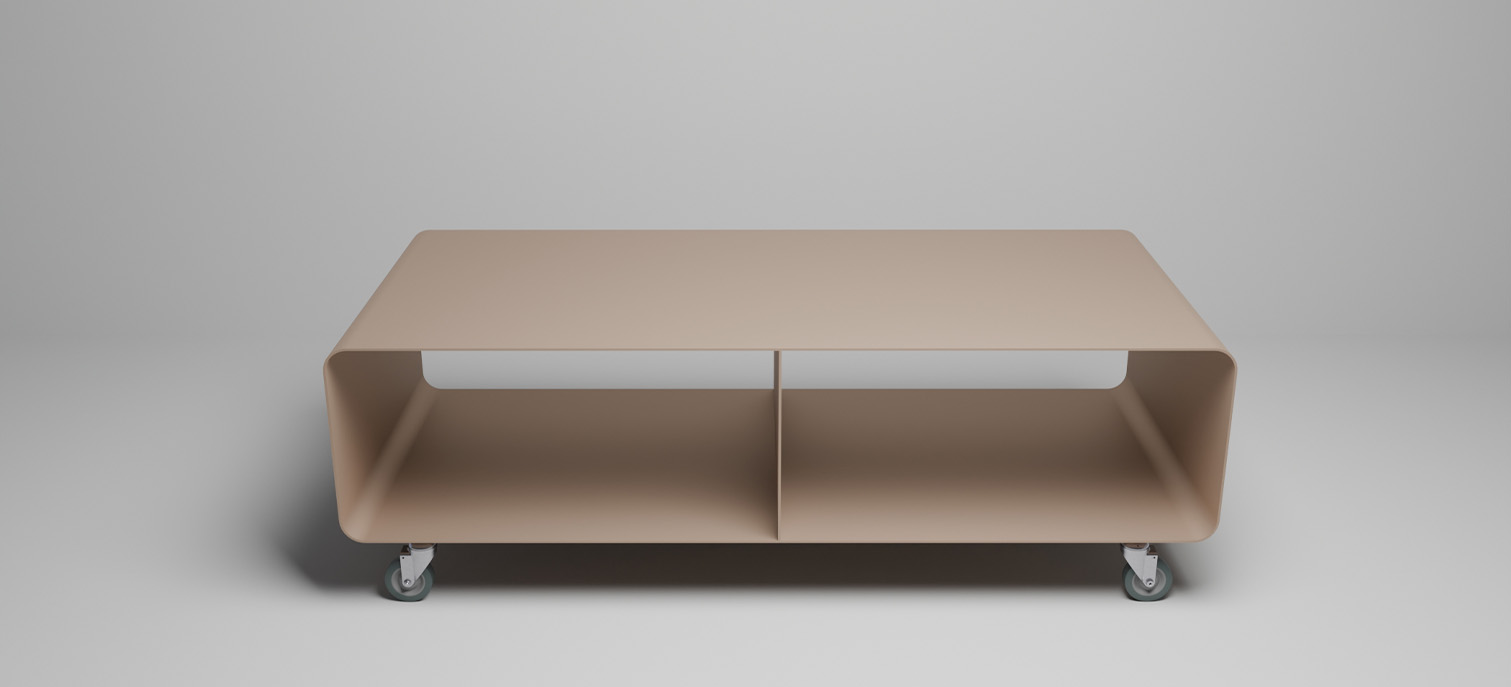
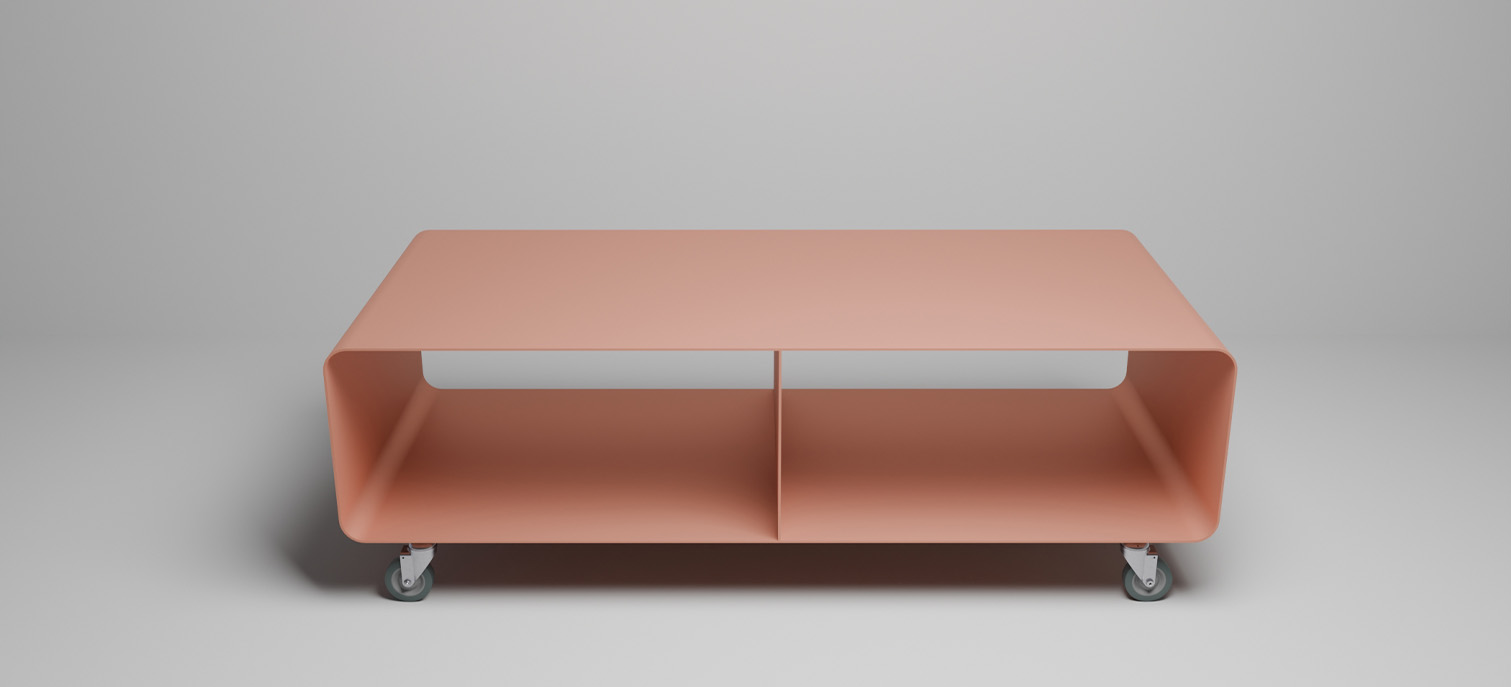
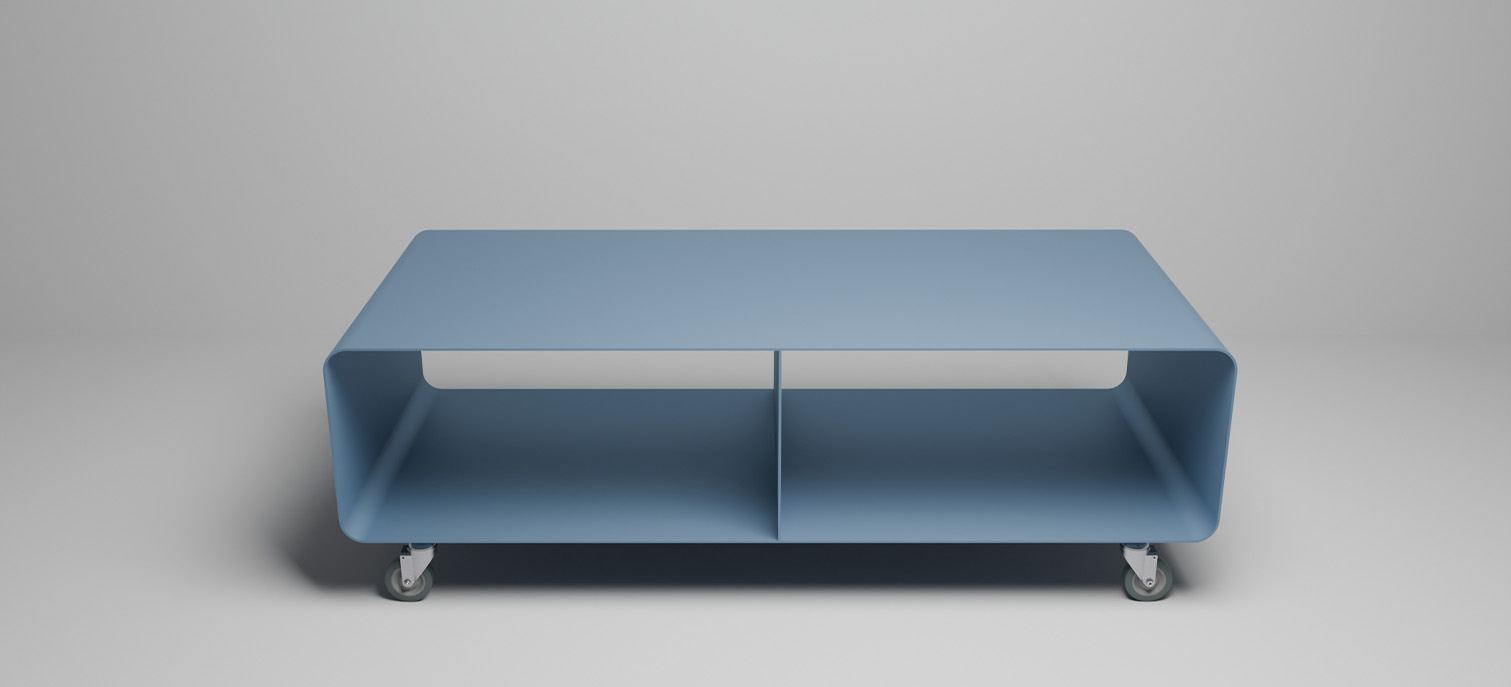

FAQ - Frequently Asked Questions
The minimum cost-effective batch size for blanking depends on the characteristics of the item (such as shape, material and complexity) and the customer’s specific requirements, such as the quantities required, delivery times and available budget.
Overall, blanking is especially cost-effective for medium to large-scale production runs, as it requires the creation of dedicated dies, the cost of which is more easily recouped with larger batches. To assess cost-effectiveness and determine the most suitable minimum batch size, we analyse each request on a case-by-case basis, offering customised solutions.
Yes, we can also make the die. We always carefully assess the customer’s requirements and, based on their specific technical and production needs, propose the most advantageous solution in terms of quality, timing and costs.
Yes, we also work with pre-galvanised and pre-coated materials. We have experience in processing these materials, which require special care to preserve their surface finishes during the blanking or bending stages. We use specific tools and techniques to ensure that the material’s aesthetic and functional properties are maintained, thereby offering an optimal solution for applications requiring a ready-to-use final finish.
During production, the operator performs specific sample controls: for every set number of components, one is selected to check its dimensional and functional characteristics. The controls are performed using gauges, inspection templates and other suitable tools, in accordance with the technical specifications of the component. There is ongoing cooperation with our technical department, which supports production in interpreting tolerances and defining the most effective control methods. This approach enables us to guarantee consistent quality and compliance with customer requirements.
Do you want to achieve precise and reliable mass production?
Are you ready to turn your designs into precise, repeatable components?
Request a free consultation and receive a detailed quote.